Best Keyboard for Beginners in 2026: The Complete Buyer's Guide to Choosing the Right Keyboard

Buying your first keyboard or piano can feel overwhelming because dozens of models promise to be the perfect choice for beginners. The truth is that the best keyboard isn't always the most expensive or the one with the most features. In this guide, you'll learn exactly what to look for, which beginner keyboards offer the best value, and how to choose an instrument that supports your musical journey for years to come.
If you're planning to start learning immediately, you can also explore our Online Piano Classes to build the right foundation from day one.
What Is a Beginner Keyboard?
A beginner keyboard is an electronic musical instrument designed to help new players learn with essential features such as touch-sensitive keys, built-in sounds, and simple controls.
Unlike professional arranger keyboards or advanced synthesizers, beginner keyboards focus on making learning enjoyable without overwhelming new players with complex settings.
According to recommendations from leading manufacturers and piano educators, beginners should prioritise key action, touch sensitivity, and sound quality over the number of built-in voices or effects.
What’s the difference between Digital Piano and a Keyboard?
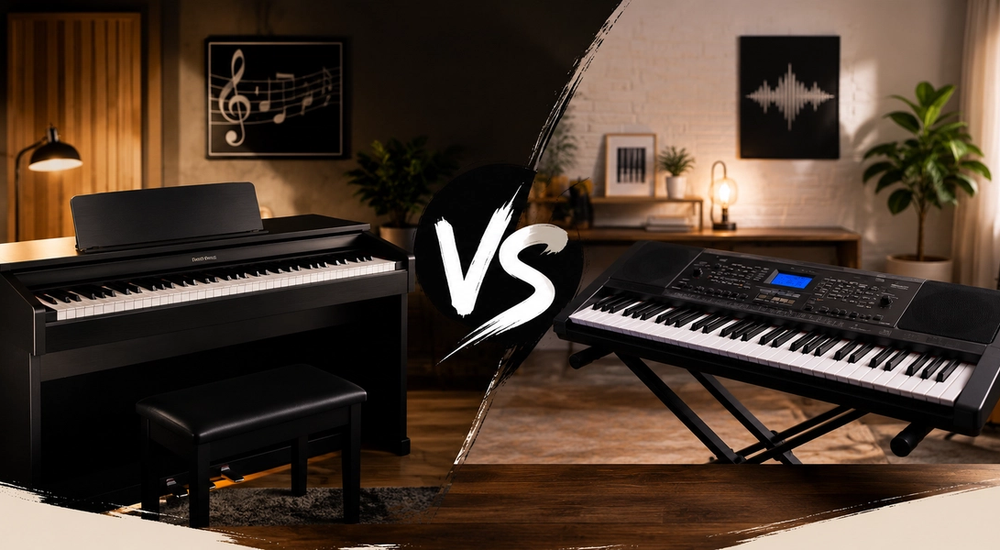
Digital Piano
A digital piano is designed to replicate the experience of playing an acoustic piano.
It usually includes:
- Fully weighted keys
- Better piano sound samples
- Sustain pedal support
- Fewer distraction features
For example, if your goal is passing ABRSM or Trinity piano examinations, a digital piano is generally the better investment.
Beginner Keyboard
A beginner keyboard combines affordability with the essential learning features required by new students.
It usually includes:
- Touch-sensitive keys
- USB MIDI connectivity
- Built-in lessons
- Headphone support
- Sustain pedal compatibility
- Lightweight design
For most beginners, this category offers the best balance between cost and learning experience.
If you are planning to start taking Trinity Piano or Keyboard exams you can check out our Trinity Initial Course : Trinity Grade Initial Piano
If you are planning to start taking ABRSM Piano exams you can check out our ABRSM Initial Course : ABRSM Grade Initial Piano
Is a 61-Key Keyboard Enough for Beginners?
A 61-key keyboard is sufficient for most beginners, while an 88-key keyboard is the best choice for students planning long-term piano study.
Most beginner songs, exercises, and method books fit comfortably within 61 keys.
For example, children, hobby learners, and adults exploring music for fun can comfortably learn for several years on a quality 61-key keyboard.
However, if your goal includes:
then purchasing an 88-key instrument now may save you from upgrading later.
What Features Should Beginners Look for in a Keyboard?
The best beginner keyboard combines responsive keys, quality sound, useful connectivity, and enough room to grow as your skills improve. Flashy extras like hundreds of instrument voices or colourful displays matter far less than the fundamentals.
As a piano teacher, these are the features I recommend prioritizing -
1. Touch Sensitivity (Most Important) : This is the single most important feature. Touch-sensitive keys respond to how hard or softly you press them, just like an acoustic piano. Play softly and the sound is gentle, press harder and it gets louder. This builds finger strength, improves dynamics, makes music expressive, and prepares you for transitioning to an acoustic piano. If your budget allows only one premium feature, choose this over extra sounds.
2. Number of Keys : 49 keys work only for very young children; 61 keys offer the best value for most beginners; 76 keys suit intermediate learners; and 88 keys are best for anyone planning long-term, serious piano study.
3. Weighted vs Unweighted Keys : Not every beginner needs weighted keys. Unweighted keys are light and suit casual learners; semi-weighted keys suit hobby players; fully weighted keys feel piano-like and are best for serious students, especially those preparing for ABRSM, Trinity, or classical exams.
4. Polyphony : This is the maximum number of notes a keyboard can play at once. 32 notes is acceptable, 64 is good, 128 is excellent, and 192+ is professional-grade. For beginners, 64-note polyphony is usually enough.
5. USB MIDI Connectivity : Lets the keyboard connect to computers, tablets, and apps for recording practice, taking online lessons, using learning apps, and even music production. Modern keyboards should ideally include this.
6. Headphone Support : Enables silent practice, which is especially useful for apartment living, late-night sessions, shared households, and students in general.
7. Sustain Pedal Compatibility : Helps create smoother, more expressive playing. Many entry-level keyboards don't include a pedal out of the box, but most allow adding one later.
8. Built-in Learning Features : Look for lesson modes, split keyboard, a metronome, a recording function, and built-in songs, these make practice more engaging.
What Are the Best Keyboards for Beginners in 2026?
The best keyboard for you depends on your learning goals, budget, and whether you're learning piano seriously or simply exploring it as a hobby. We evaluated this year's most popular beginner keyboards based on sound quality, key feel, build quality, features, ease of use, and overall value to identify the best options for 2026.
Here are our top recommendations for beginners in 2026:
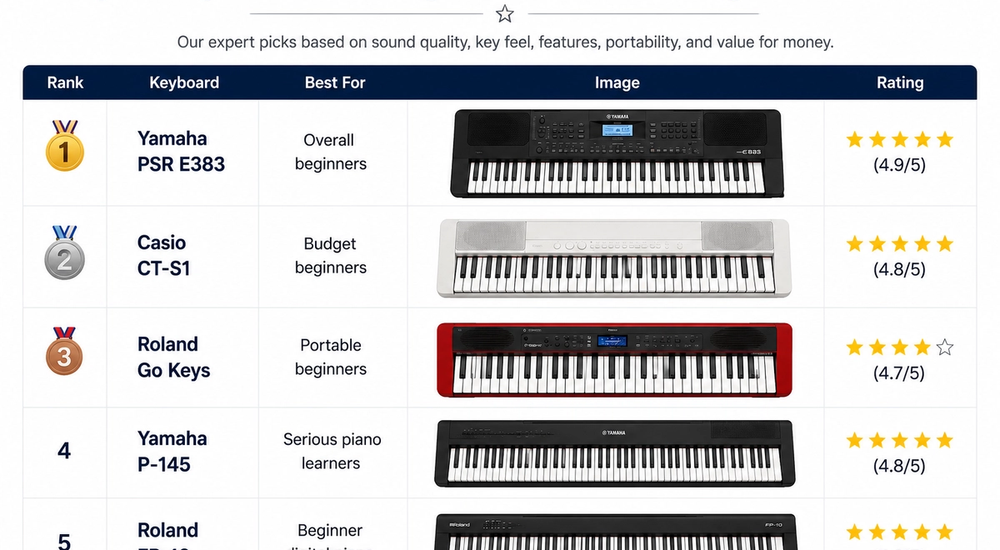
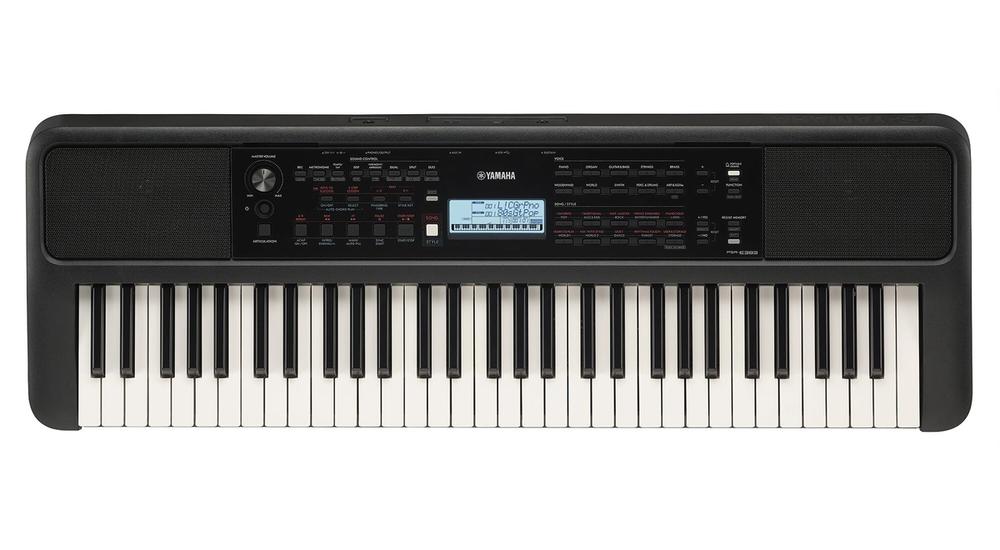
1. Yamaha PSR-E383 — Best Overall Beginner Keyboard (⭐ 4.9/5)
This is the best all-round choice for 2026, balancing affordability, sound quality, and learning features beautifully. With 61 touch-sensitive keys, 650+ voices, USB MIDI, a built-in lesson mode, and Yamaha's Education Suite, it's reliable and easy to use - ideal for students, teenagers, and adults alike. The only real downside is unweighted keys. Price: ₹18,000–22,000.
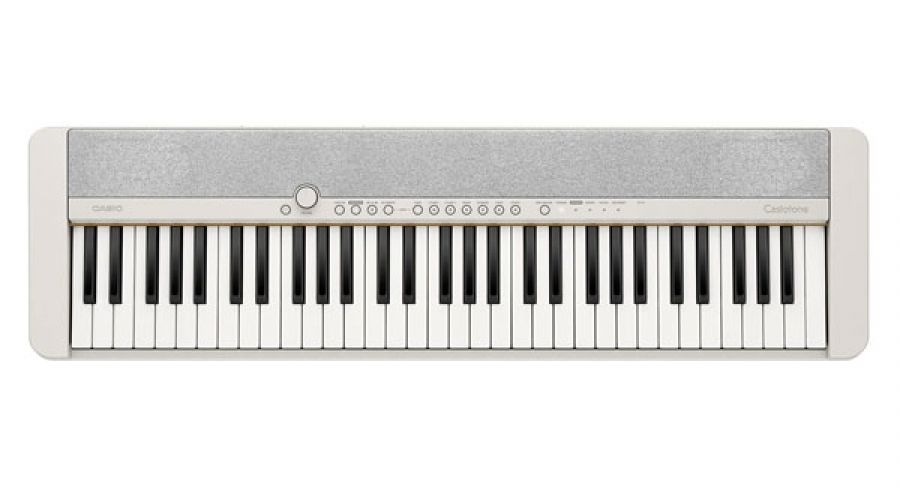
2. Casio CT-S1 (⭐ 4.8/5)
Built for players who want simplicity paired with beautiful sound. Its AiX Sound Engine and premium speakers make it a stylish, compact option for home practice. It just skips the built-in lesson mode. Price: ₹28,000–35,000.
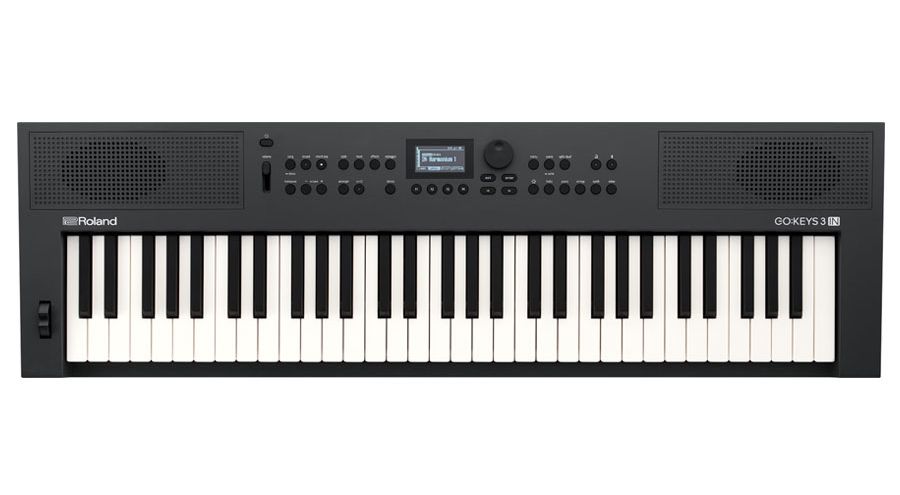
3. Roland GO:KEYS 3 (⭐ 4.7/5)
A creative, sound-rich option that stands out for its massive 1,000+ voice ZEN-Core sound engine, including a dedicated Indian tones and rhythms library — sitar, tabla, santoor, and Bollywood-style accompaniment styles alongside Western sounds. With 61 velocity-sensitive keys, Bluetooth audio/MIDI, and a built-in chord sequencer, it leans more toward music creation and exploration than traditional lesson-based learning, making it a fun pick for hobbyists and young creators who want to experiment beyond classical piano method books. Price: ₹22,000–25,000.
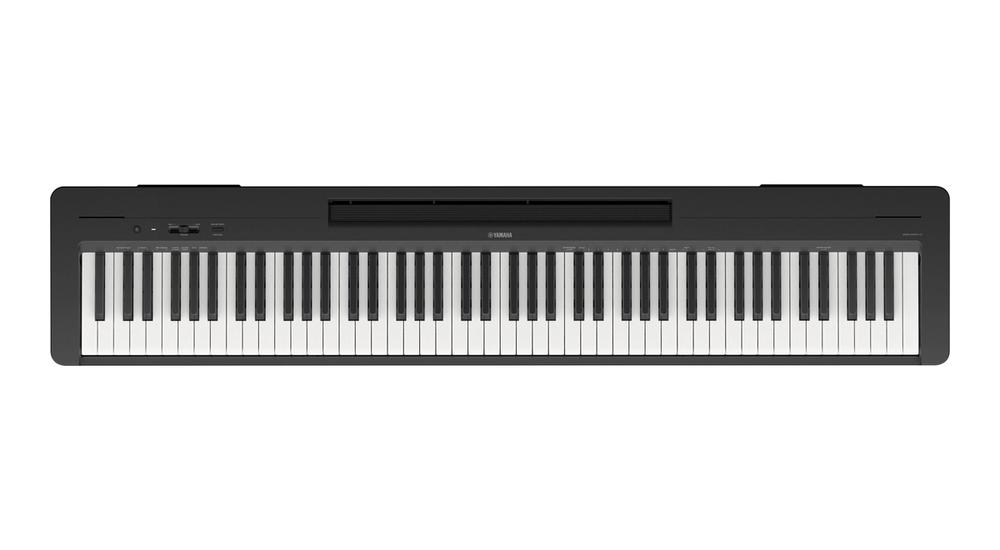
4. Yamaha P-145 - Best Digital Piano for Beginners (⭐ 4.8/5)
For an authentic piano-playing feel, this is the one to beat. It has 88 fully weighted keys with Graded Hammer Compact action, excellent piano tone, and USB Audio/MIDI , a genuine long-term investment for serious piano students just at a higher price point, This is best if you are planning to take Trinity or ABRSM Grade Piano Exams. Price: ₹45,000–55,000.
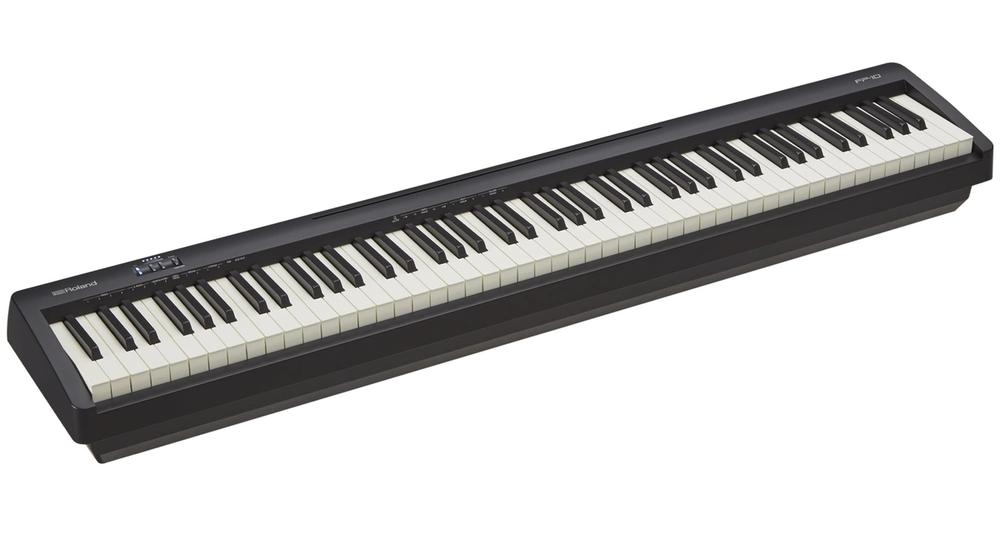
5. Roland FP-10 (⭐ 4.9/5)
Widely considered one of the best-value digital pianos for serious beginners. Its PHA-4 Standard weighted keyboard, Bluetooth MIDI, and Roland SuperNATURAL Piano sound deliver outstanding key action and sound quality, with a smaller onboard sound library. Ideal for students committed to long-term piano learning and planning to take Trinity, ABRSM, RSL Piano Grade Exams. Price: ₹48,000–55,000.
Reviewed by ChordsCraft Institute of Music Editorial Team This article has been reviewed by experienced piano educators to ensure the recommendations, technical explanations, and buying advice are accurate, practical, and up to date.
Related Music Courses
Classical & Modern Piano
Learn piano with graded ABRSM/Trinity curriculums from certified instructors.

Debojoti De is a pianist, music educator, and the founder of ChordsCraft Institute of Music. He has been playing the piano for over 10 years and has taught 100+ students through personalized online lessons. His expertise includes beginner piano education, music theory, keyboard selection, and exam preparation for internationally recognized curricula such as Trinity and ABRSM. As one of the Top 5 Indian Piano Teachers on Superprof, Debojoti combines practical teaching experience with in-depth research to create trusted buying guides, piano tutorials, and educational resources. Through his articles, he helps aspiring musicians choose the right instruments, develop effective practice habits, and build a strong musical foundation.
Frequently Asked Questions
Start Your Musical Journey Today
Experience 1-on-1 personalized lessons with certified music and dance instructors. Pick your instrument, choose your schedule, and get structured guidance.
Recommended Reading
 🎹Piano
Best Online Piano Lessons: How to Choose the Right Course
Looking for the best online piano lessons? Learn how to choose the right piano course based on live 1-to-1 instruction, teacher expertise, lesson structure, practice support, flexibility and trial classes—so you can learn piano confidently from home.
 🎹Piano
How Long Does It Take to Learn Piano? A Realistic Beginner’s Guide
Wondering how long it takes to learn piano? From playing your first melody in a month to confidently playing songs within 3-6 months, a beginner-friendly guide breaks down realistic piano learning milestones.
 🎹Piano
ABRSM or Trinity? What We Tell Parents After Preparing 250+ Students for Both
ABRSM or Trinity? Real advice from teachers who've prepared 250+ students for both exam boards. Find the right fit for your child's strengths.