Music Composer vs Singer: What Is the Difference?

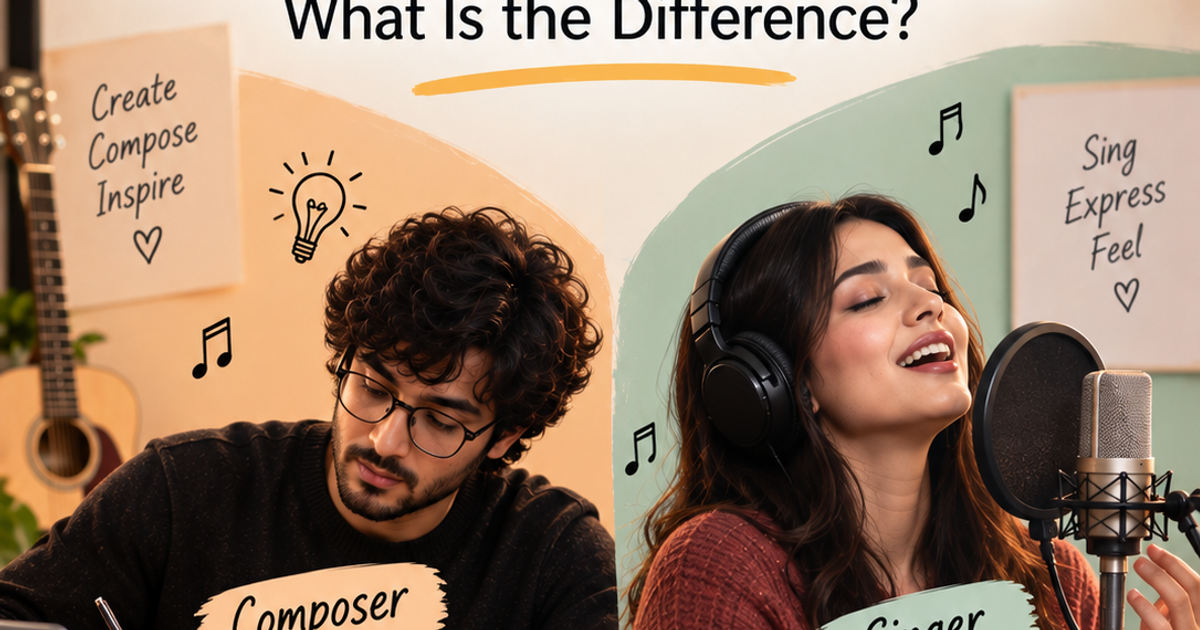
A singer gives a song its voice. A composer helps create the music behind it. While these roles can overlap, a music composer and a singer are not the same thing.
A composer may create the melody, harmony, musical structure or instrumental arrangement of a piece, while a singer performs the vocal part. In modern music, however, one artist can take on multiple roles — which is why people such as Arijit Singh, Taylor Swift and Michael Jackson can be discussed as both performers and creators.
What Is a Music Composer?
A music composer is someone who creates music. This can involve developing melodies, harmonies, chord progressions, rhythms and the overall musical structure of a composition.
Composers can work on many types of music, including :
- Film and background scores
- Songs
- Classical compositions
- Instrumental music
- Theatre and stage productions
- Television and advertising music
- Video game music
A composer does not necessarily sing or perform the music they create. Their primary role is to write or develop the musical composition.
What Does a Singer Do?
A singer performs the vocal part of a song. Their work involves using their voice to interpret melody, lyrics, rhythm and emotion.
Professional singers may work in:
- Film and playback singing
- Live concerts
- Studio recordings
- Musical theatre
- Choirs and ensembles
- Independent music
- Devotional and classical music
A singer may perform a composition written by someone else. For example, a playback singer can record vocals for a song whose music was composed by another musician.
| Music Composer | Singer | |
|---|---|---|
| Creates the musical composition | Performs the vocal part | |
| Develops melody, harmony and musical structure | Interprets melody and lyrics through the voice | |
| May work without performing | Usually performs or records vocals | |
| Can compose instrumental music | Primarily focuses on vocal performance | |
| May not appear on the recording | Voice is part of the final recording |
Music Composer vs Singer: Key Difference
The distinction becomes less clear when an artist both creates and performs their own music.
Is a Singer Also a Composer?
Not necessarily.
Being a singer means that someone performs vocals. Being a composer means that someone creates music. A person can have either skill independently or possess both.
For example, a vocalist might record a song written by a separate composer. Another artist might write the music and perform it themselves.
This is common in contemporary music, where artists frequently combine several creative roles.
Is Arijit Singh a Singer or a Composer?

Arijit Singh is primarily known as a singer and playback vocalist, particularly for his extensive work in Indian film music.
However, he has also been involved in music composition and other aspects of music-making. This illustrates why describing an artist using only one title can sometimes be misleading.
His best-known public identity is as a singer, while his broader musical work extends beyond vocal performance.
Is Taylor Swift a Music Composer?

Taylor Swift is known primarily as a singer-songwriter, but she also writes and composes music.
Her creative work commonly involves writing lyrics and developing songs, sometimes independently and sometimes collaboratively with other songwriters and producers.
So, calling Taylor Swift only a singer would leave out an important part of her role as a songwriter and music creator.
Is Michael Jackson Considered a Composer?
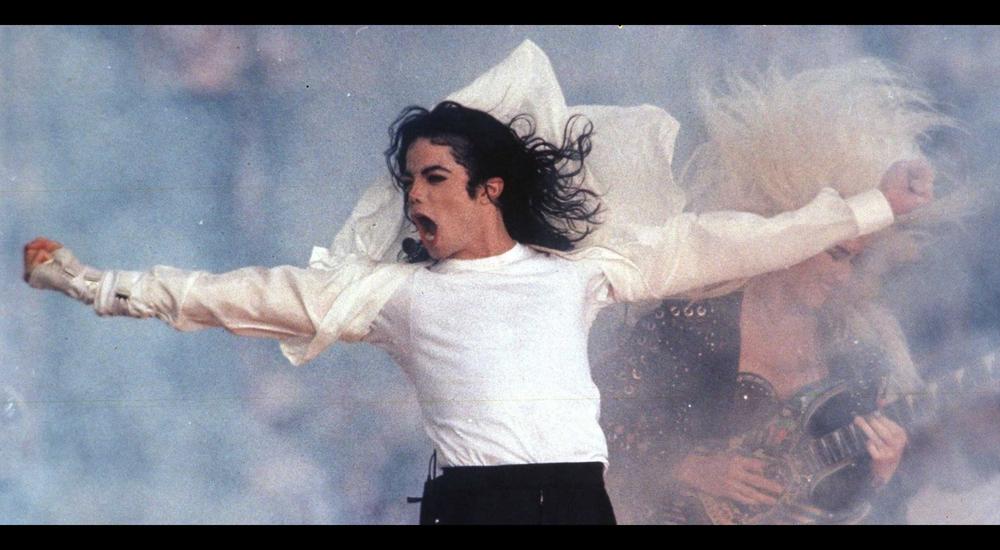
Yes. Michael Jackson is widely recognised not only as a singer and performer but also as a songwriter and composer.
He was involved in writing and creating music for many of his recordings. His career demonstrates how a major artist can simultaneously contribute as a vocalist, songwriter, composer and performer.
What Is the Difference Between a Composer and a Songwriter?
The terms composer and songwriter are sometimes used interchangeably, but they can describe slightly different responsibilities.
A songwriter typically creates songs, often working with lyrics, melody and song structure. A composer may work on a broader range of musical compositions, including instrumental and orchestral works.
In popular music, however, the same person may be credited as both songwriter and composer.
Who Gets Paid More: Singer or Songwriter?
There is no fixed answer. Earnings depend on the artist's contracts, popularity, royalties, performances, songwriting credits, publishing rights and other commercial arrangements.
A singer may earn through recording contracts, concerts, performances and endorsements. A songwriter or composer may receive income through composition fees, publishing and royalties when their work is used or performed.
In some cases, one person earns from several of these sources because they write, compose and perform their own music.
Can a Music Composer Be a Singer Too?
Absolutely.
Many musicians develop both composition and vocal skills. An artist who writes a melody, creates the musical structure and performs the song is effectively contributing to multiple stages of the creative process.
This is particularly common among singer-songwriters and independent musicians.
Why Understanding These Roles Matters
Music is rarely created by one role alone. A finished song may involve a composer, songwriter, lyricist, singer, instrumentalist, arranger, producer, mixing engineer and mastering engineer.
Understanding the difference helps you recognise what each person contributes to the final recording.
And if you're learning music yourself, you don't necessarily have to choose only one path. You can develop your voice as a singer while also learning an instrument, music theory, songwriting or composition.
Frequently Asked Questions
From Performing Music to Creating It
The difference between a singer and a composer ultimately comes down to what role they play in creating and presenting music. A singer brings a vocal performance to life; a composer creates the musical foundation.
But the two roles don't have to remain separate. With the right training, a musician can learn to sing, play, compose and create original music, turning performance skills into a deeper understanding of music itself.

ChordsCraft Music Editorial Team
Start Your Musical Journey Today
Experience 1-on-1 personalized lessons with certified music and dance instructors. Pick your instrument, choose your schedule, and get structured guidance.
Recommended Reading
 General
How to Learn Singing at Home: A Beginner's Step-by-Step Guide
Want to learn singing at home? Follow this beginner-friendly guide to practise vocal warm-ups, pitch, breathing, rhythm and song techniques to build confidence and improve your voice.
 General
Vocal Range: What It Is, How to Test It & Find Your Voice Type
Discover your vocal range, learn how to test your highest and lowest notes, and identify your voice type. Explore practical tips to understand your voice and improve your singing.
 General
How to Overcome Stage Fear While Performing Music: Practical Ways to Build Performance Confidence
Stage fear can make even well-practised musicians forget lyrics, miss notes or lose confidence. Learn how to overcome stage fear while performing music with practical techniques from experienced professionals.
